
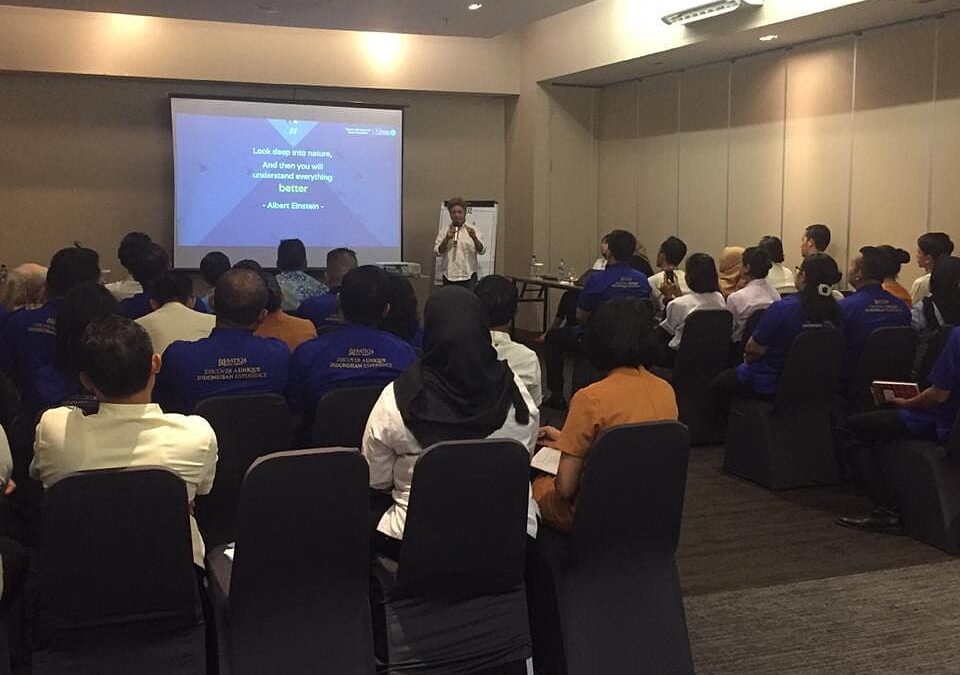
Women play a vital role in advancing sustainability across social, economic, and environmental dimensions. Around the world, women are often at the center of managing households, communities, natural resources, and local economies. Their daily experiences and responsibilities place them in a unique position to understand the direct impact of environmental and social challenges.
Sustainability is not only about protecting nature—it is also about creating systems that are fair, resilient, and inclusive. In this context, empowering women is increasingly recognized as one of the key accelerators for achieving the United Nations 2030 Agenda for Sustainable Development. When women have equal access to opportunities, education, leadership, and resources, communities become stronger and sustainability efforts become more effective.
Environmental Stewardship and Women’s Leadership
Women contribute significantly to environmental stewardship in many ways, especially at the community and household level. In developing countries, women are often responsible for food production, water collection, fuel management, and caring for natural resources that support family livelihoods. Studies show that women produce a large percentage of food in many regions and play a critical role in maintaining local food security.
Beyond resource management, women are also important conservation leaders. Many women hold deep knowledge of biodiversity, traditional agricultural systems, and ancestral environmental practices passed down through generations. This knowledge supports the preservation of ecosystems, crop diversity, soil health, and sustainable land use practices that are essential for long-term environmental resilience.
Women are also increasingly shaping sustainable consumption patterns. In many countries, women influence the majority of household purchasing decisions and are often more likely to support environmentally responsible products, recycling initiatives, and ethical consumption practices. Their choices can significantly influence markets, industries, and broader sustainability trends.
Why Empowering Women Matters
Empowering women is not only a matter of equality—it is a strategic necessity for sustainable development. Climate change, environmental degradation, and social inequality are interconnected challenges that require inclusive leadership and collaborative solutions. Excluding women from decision-making spaces weakens the effectiveness of sustainability initiatives and limits innovation.
When women are empowered to lead, communities benefit from broader perspectives, stronger collaboration, and solutions that are often more grounded in social realities. Women leaders frequently bring approaches that emphasize long-term wellbeing, resilience, and community-centered impact.
Building a sustainable future requires recognizing women not merely as beneficiaries of development, but as leaders, innovators, and essential partners in shaping environmental and social progress.
Women’s leadership in sustainability is already transforming communities worldwide. The challenge ahead is ensuring that more women have the opportunity, support, and platform to continue creating meaningful impact for future generations.